Did you know the average person spends roughly 300 hours a year at the kitchen sink? That’s almost two full weeks lost just cleaning up after meals. It’s a lot of time spent on tasks people don’t enjoy.
Scrubbing stubborn grease can feel like a never-ending chore. It drains your energy. Most families want easy pot and pan cleaning solutions that don’t require a gym workout. Efficiency in the kitchen lets you enjoy cooking more than the mess.

This guide offers smart methods for your home. These techniques simplify pot and pan washing for good. You’ll discover secrets for a quick kitchen cleanup that leaves surfaces sparkling every evening.
Implementing efficient cookware washing habits saves time and reduces stress. The right approach means less friction in your daily routine. Let’s explore ways effortlessly handle your kitchen tools without the usual hassle.
Key Takeaways
- Soaking items early prevents food from sticking to surfaces.
- Use baking soda for tough burnt-on stains on metal.
- Hot water helps dissolve stubborn grease much faster.
- Avoid abrasive scrubbers on delicate non-stick coatings.
- Organizing your sink area improves overall cleaning speed.
- Dry your gear immediately for a streak-free finish.
1. Why Pot and Pan Washing Doesn’t Have to Be a Chore
Efficient kitchen cleanup is within reach. It starts with rethinking how we wash our pots and pans. For many home cooks, washing pots and pans is a dreaded chore. It seems to consume a lot of time and effort.
The Time-Consuming Reality of Kitchen Cleanup
Kitchen cleanup, especially washing pots and pans, is often a big time-waster. The stubborn food residue that clings to cookware makes it even more daunting. Understanding the root causes of this issue is the first step towards making the process more efficient.

Recent Trends in Efficient Cookware Washing
Recent trends in kitchen cleanup aim to make it more efficient. From advanced cleaning products to innovative washing techniques, there’s a focus on reducing time and effort. Kitchen experts are now sharing their tips and tricks for making pot and pan washing less of a chore.
What Kitchen Experts Are Saying Now
Kitchen experts now advocate for a more streamlined approach to pot and pan washing. They say the right techniques and tools can make it much simpler. By adopting these expert-approved methods, home cooks can improve their kitchen cleanup routine.
2. The Science Behind Faster, Easier Cleaning
Cleaning faster and easier is all about how food sticks to cookware. Knowing this helps us clean better.
Understanding How Food Bonds to Cookware Surfaces
Food sticking to cookware is a mix of chemical and physical reactions. The cookware type, food nature, and cooking methods affect how well food sticks.

Temperature and Timing: The Critical Factors
Temperature and timing are key for easy cleaning. High temperatures can make food stick more. But acting fast can stop this.
Hot vs. Cold Water: What Works Best
Hot water is best for loosening food at first. But for non-stick surfaces, cold water is safer.
Why Immediate Action Matters
Acting quickly after cooking makes cleaning easier. The sooner you clean, the less food sticks.
The Chemistry of Soaking
Soaking uses chemical reactions to break down food residue. It makes cleaning cookware simpler.
| Cleaning Factor | Description | Effect on Cleaning |
|---|---|---|
| Temperature | Influences the bonding of food to cookware | Higher temperatures can make cleaning harder |
| Timing | Affects how quickly food residue is addressed | Immediate action makes cleaning easier |
| Soaking | Uses chemical reactions to loosen food | Simplifies the cleaning process |
3. Pre-Wash Strategies That Save Serious Time
Effortless pot and pan washing starts before you even begin cleaning. A few simple steps before you start can cut down cleaning time and effort.
The Hot Water Trick While You’re Still Cooking
Filling your pot or pan with hot water while cooking can help. It loosens food residue, making cleaning easier later. This trick saves time and effort.
Preventing Food from Sticking in the First Place
Keeping food from sticking to your cookware is key. Proper pan preheating and using cooking oils and sprays help a lot.
Proper Pan Preheating Techniques
Correct preheating of your pan is crucial. It ensures even heat, preventing food from sticking. For non-stick pans, a couple of minutes on medium heat is enough.
Using Cooking Oils and Sprays Effectively
The right cooking oil or spray prevents sticking. A small amount of oil with a high smoke point, like avocado oil, works well.
| Cooking Oil | Smoke Point | Best Use |
|---|---|---|
| Avocado Oil | 520°F | High-heat cooking, frying |
| Olive Oil | 320°F | Low-heat cooking, dressings |
| Coconut Oil | 350°F | Baking, sautéing |
Deglazing: A Chef’s Secret for Easy Cleanup
Deglazing is a chef’s trick to remove browned food from pans. It involves adding a liquid, like wine or broth, to loosen residue. This method adds flavor and makes cleaning easier.

By using these pre-wash strategies, you can make washing pots and pans easier and faster. It’s all about being proactive and using the right techniques to prevent sticking and loosen residue.
4. Immediate Action Methods for Busy Home Cooks
Busy home cooks can make cleaning pots and pans easier by acting fast. A few simple steps can make the job less stressful.
The 30-Second Rule After Cooking
Try the 30-second rule. Right after cooking, spend 30 seconds to scrape off big food bits. This stops food from sticking and makes cleaning easier.
Quick Wipe-Down Techniques That Work
Use quick wipe-downs to clean. While the cookware is still warm, wipe it with a paper towel or soft cloth. This gets rid of loose food and saves effort later.
Using Residual Heat to Your Advantage
Use the cookware’s heat to help clean. Let it soak in hot water for a few minutes. This makes stuck food easier to clean off, especially for tough residue.
Safe Handling of Hot Cookware
Be careful when handling hot cookware to avoid burns. Always use oven mitts or tongs. Make sure the cookware is on a heat-resistant surface.
| Method | Description | Benefits |
|---|---|---|
| 30-Second Rule | Scrape off large food particles immediately after cooking | Prevents food from hardening, simplifies cleaning |
| Quick Wipe-Down | Wipe cookware surfaces with a paper towel or soft cloth while still warm | Removes loose food residue, reduces cleaning effort |
| Residual Heat Soaking | Soak cookware in hot water after cooking | Eases removal of stuck food, effective for stubborn residue |

5. How to Quickly Wash Pots and Pans
Learning to wash pots and pans fast is key. It saves time and keeps your cookware in good shape. A simple plan can make this task easier.
Step 1: Remove Loose Food and Deglaze with Hot Water
Start by getting rid of any food that’s easy to remove. Scrape off excess into the trash or compost. Deglazing with hot water helps loosen stuck-on food. Just pour hot water into the pan and wait a minute or two before scrubbing.
“Deglazing is a game-changer,” says a culinary expert, “it makes the cleaning process much easier by loosening the food residue.” This method works well for pans used in high heat or sticky ingredients.
Step 2: Apply the Right Cleaning Agent for Your Cookware
Different cookware needs different cleaners. Non-stick pans need gentle cleaners to keep their coating safe. Stainless steel pans can handle stronger cleaners. Choosing the right cleaning agent is key to avoid damage.
Step 3: Use Efficient Scrubbing Motions and Patterns
How you scrub affects cleaning efficiency. There are many scrubbing motions and patterns to try, based on cookware and food residue.
The Circular vs. Linear Scrubbing Debate
Some say circular motions are best for stuck-on food, while others prefer linear scrubbing. The truth is, the best scrubbing motion depends on the cookware material and the type of food residue. For example, circular motions might be better for non-stick pans, while linear motions could be more effective for stainless steel.

Step 4: Rinse Thoroughly and Dry Properly
After scrubbing, rinse your pots and pans well to remove food and cleaners. Drying them right is also important to avoid water spots and bacterial growth.
Air Drying vs. Towel Drying
There are two ways to dry cookware: air drying and towel drying. Air drying is safer for your cookware, while towel drying is quicker and prevents water spots.
By following these steps and knowing the right techniques, you can wash pots and pans faster. It’s not just about the methods; it’s also about using the right materials and understanding your cookware’s needs.
6. Material-Specific Cleaning Approaches
Knowing the right cleaning techniques for your cookware is key. Each material needs special care to stay in top shape. We’ll look at the best ways to clean stainless steel, non-stick, cast iron, copper, and aluminum.
Stainless Steel Cookware Care and Maintenance
Stainless steel is tough and won’t scratch easily. But, it still needs gentle care. Use soft soap and a sponge to keep it shiny and prevent stains.
Removing Stubborn Stains and Discoloration
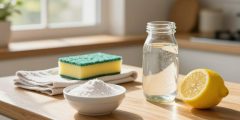
For hard stains, make a paste with baking soda and water. Apply it, wait 30 minutes, then rinse and dry. For discoloration, mix equal parts water and white vinegar to shine it up.
Non-Stick Pan Washing Tips and Precautions
Non-stick pans need gentle cleaning to keep their coating. Don’t use metal utensils or harsh cleaners, as they can harm the surface.
What Never to Use on Non-Stick Surfaces
- Abrasive cleaners or scourers
- Metal utensils
- High heat without food or oil
Cast Iron Maintenance Made Simple
Cast iron needs seasoning to stay non-stick. Dry it well after cleaning and apply oil to stop rust.
Copper and Aluminum Cleaning Solutions
Copper and aluminum need special care to look good. For copper, use a copper cleaner or lemon juice and salt to remove tarnish. For aluminum, use a soft sponge and mild soap.

By following these cleaning tips, your cookware will stay in great shape. It will perform well and last longer.
7. Game-Changing Tools and Products for Rapid Cleaning
The right cleaning tools can change how you clean your kitchen. Having the right tools and products can cut down the time and effort needed to wash pots and pans.
Essential Scrubbing Tools for Every Kitchen
Good scrubbing is key to removing tough food bits. Here are some tools you need:
- Scotch-Brite Heavy Duty Scrub Sponges: Tough on food, gentle on surfaces.
- OXO Good Grips Dish Brushes: Ergonomically designed for comfort and efficiency.
- Lodge Scrapers for Cast Iron: Specifically designed for cast iron cookware without damaging the seasoning.

Cleaning Solutions That Actually Speed Things Up
The right cleaning solution can make a big difference. Here are some effective options:
- Dawn Platinum Powerwash Dish Spray: Powerful degreasing capabilities.
- Bar Keeper’s Friend for Tough Stains: Effective at removing stubborn stains and grime.
- Seventh Generation Dish Liquid: Eco-friendly and tough on food residue.
By using these game-changing tools and products, you can clean your pots and pans faster. This makes the kitchen cleanup process easier.
8. Expert Hacks from Professional Kitchens
Professional kitchens use expert hacks to clean faster. We’re sharing their top secrets. These tips save time and make cleaning easier.
The Baking Soda and Vinegar Power Combo
Baking soda and vinegar are a powerful cleaning team. They remove tough stains and grime. The mix of baking soda and vinegar creates gas, which breaks down food residue.
How to Apply This Method Correctly
Start by sprinkling baking soda on the stain. Then, add vinegar to cover it. Let it sit for 30 minutes to an hour. After that, scrub gently and rinse. This method works great on cast iron and stainless steel cookware.
Using Aluminum Foil as an Emergency Scrubber
Aluminum foil is a quick fix for tough stains. Crumple it into a ball and scrub away. The foil’s texture removes grime without scratching surfaces.

The Boiling Water Technique for Burnt-On Food
For burnt pans, try boiling water. Fill the pan with water, boil, then simmer. Let it cook for 10-15 minutes. This loosens burnt food, making it easier to clean.
Salt as a Natural Abrasive Cleaner
Salt is a natural cleaner for tough stains. Its texture scrubs away grime without harming most cookware.
Coarse Salt vs. Table Salt Applications
Coarse salt is better for tough stains because of its larger crystals. Table salt is good for finer cleaning. Choose the right salt for your cleaning needs.
Using these expert hacks makes cleaning easier. Whether you’re a chef or a home cook, these tips save time and effort.
9. Common Mistakes That Make Washing Harder Than It Should Be
Washing pots and pans can be easier if we avoid common mistakes. Many of us unknowingly make it harder than it has to be.
Letting Pots and Pans Sit Too Long
One big mistake is letting pots and pans sit too long. This lets food dry and stick, making cleaning tough.
Using the Wrong Water Temperature for Different Materials
Choosing the wrong water temperature can cause issues. Cold water might not work for burnt-on food, while hot water can harm non-stick pans.
Over-Scrubbing and Damaging Cookware Surfaces
Another mistake is over-scrubbing, which can harm cookware, especially non-stick surfaces. A gentle scrub is usually better.
Skipping the Pre-Soak for Stubborn Residue
Not pre-soaking can make cleaning harder. Pre-soaking helps break down tough residue, making it easier to clean.
How Long Should You Actually Soak
The soaking time depends on the cookware and residue. Usually, 30 minutes to 1 hour is enough for most.
| Cookware Type | Recommended Soaking Time | Water Temperature |
|---|---|---|
| Stainless Steel | 30 minutes to 1 hour | Hot |
| Non-Stick | 15-30 minutes | Warm |
| Cast Iron | Avoid soaking | N/A |
Avoiding these mistakes can make washing pots and pans easier and quicker.
10. Building a Fast Cleanup Routine That Actually Sticks
Creating a quick cleanup routine is essential for a stress-free kitchen. By adding efficient cleaning practices to your daily routine, cleaning pots and pans becomes easier.
Begin by using the tips from this article, like pre-washing and cleaning based on material. As you stick to it, cleaning will get faster and more efficient.
Building a cleaning habit takes time, but it becomes natural with consistency. Clean your pots and pans right after use. You’ll see how much easier it gets.
Adopting a fast cleanup routine saves time and effort in cleaning your cookware. This lets you focus on cooking and enjoying meals with your loved ones.