Did you know most people spend thirty hours a year scrubbing their appliances? Many homeowners dread the burnt grease and stubborn grime inside a range. Hard scrubbing often leads to physical exhaustion rather than achieving a spotless result.
Dreaded chores like this usually stay at the bottom of the weekly to-do list. You deserve a bright kitchen without the hard work. This article provides helpful oven maintenance tips to improve your daily life.
Enjoy a fresh home and a healthy cooking environment immediately. We discovered several diy scrub techniques that use simple items from your home. These methods eliminate tough stains effectively without harsh chemicals.

This path ensures your stove remains in top shape without significant stress. By following a quick maintenance guide, you can save hours of labor every month. We will show you how to transform your kitchen routine with minimal effort.
Key Takeaways
- Natural solutions remove grease efficiently.
- Save time with proactive maintenance.
- Household staples replace harsh chemicals.
- Prevent future spills with simple steps.
- Improve appliance longevity and performance.
- Keep your kitchen smelling fresh and safe.
Why Regular Oven Cleaning Matters for Your Kitchen
Keeping your oven clean is crucial for your health and its performance. A clean oven makes your kitchen safe and efficient.
Health and Safety Benefits of a Clean Oven
A clean oven lowers the risk of harmful fumes and fires. Grease and food residue can smoke and even catch fire. This damages your oven and poses health risks to your family.
By cleaning your oven regularly, you create a safer cooking space. This is especially important for homes with kids or pets, as they might not know the dangers of a dirty oven.

How Grease Build-Up Affects Oven Performance
Grease and food particles can harm your oven’s performance. They cause uneven heating, longer cooking times, and higher energy use.
Also, a dirty oven can make your food taste bad because of smoke and fumes. Cleaning your oven regularly keeps it working well and your food tasting great.
The Cost of Neglecting Oven Maintenance
Ignoring your oven’s maintenance can cost a lot. A well-kept oven lasts longer, saving you money and hassle.
Regular oven cleaning is a smart choice. It saves you money and avoids the stress of repairs or replacements.
The Power of Baking Soda for Oven Cleaning
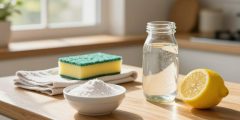
Baking soda is a great choice for cleaning your oven. It’s natural, safe, and cheap. Plus, it’s easy to find.
Creating the Perfect Baking Soda Paste
To clean your oven with baking soda, you need to make a paste. Mix baking soda with water in the right amounts.
Ideal Water to Baking Soda Ratio
The best mix is 1/2 cup baking soda to 3-4 tablespoons water. This makes a paste that’s thick but easy to spread. You can adjust the mix to get the right consistency.
Adding Essential Oils for Pleasant Scent
Adding essential oils to the paste makes cleaning nicer. Lemon or lavender oils are good choices. They smell nice and can relax you.
| Essential Oil | Scent | Benefits |
|---|---|---|
| Lemon | Fresh, citrusy | Uplifting and refreshing |
| Lavender | Calming, floral | Relaxing and soothing |
| Eucalyptus | Minty, decongesting | Invigorating and refreshing |
Step-by-Step Application Method
Putting the baking soda paste on right is key for a clean oven.
Coating the Oven Interior Properly
Use a spatula or brush to spread the paste on the oven’s inside. Make sure to cover all dirty spots.

Let the paste sit for at least 12 hours. This lets it work on tough grime.
Wiping Away the Paste Effectively
After it sits, use a damp cloth or sponge to remove the paste and grime. For hard spots, a soft scrubber works well.
By following these steps, you can clean your oven well without harsh chemicals.
Vinegar and Water Steam Cleaning Technique
The vinegar and water steam cleaning method is a great way to clean your oven. It uses steam to remove tough grime without harsh chemicals. This method is also good for the environment.
How Steam Loosens Stubborn Grime and Baked-On Food
Steam cleaning uses steam from water and vinegar to loosen grime and food. The vinegar’s acid breaks down stains. The steam then lifts these stains off the surface.
Key benefits of steam cleaning include:
- Efficient removal of grime and food residue
- Eco-friendly and non-toxic
- Reduced need for harsh chemicals
- Easy to implement with common household items
Setting Up Your Steam Cleaning Session
To start, you need a few items: a spray bottle, water, white vinegar, and a heat-resistant container.
Here’s how to set it up:
- Mix equal parts water and white vinegar in the spray bottle.
- Spray the solution onto the oven’s interior surfaces.
- Put a heat-resistant container filled with water in the oven.
- Heat the oven to the right temperature for steam cleaning.
Best Temperature for Steam Cleaning
The best temperature for steam cleaning is 200°F to 250°F (90°C to 120°C). This temperature is hot enough to create steam but not too hot.
Optimal Duration for Maximum Effectiveness
Let the steam work for 30 minutes to an hour. This time lets the steam effectively loosen grime and food residue.
Combining Vinegar with Baking Soda for Extra Power
Adding baking soda to your vinegar and water steam cleaning can help more. Sprinkle baking soda on surfaces before using the vinegar solution. The mix will break down tough grime better.

Using these methods in your oven cleaning routine will keep your oven clean and healthy with little effort.
Natural Lemon Juice Cleaning Solution
Lemon juice is a natural and effective way to clean your oven. Its acidity helps break down tough grime and food residue.
Why Lemon Works as a Natural Degreaser
Lemon juice has citric acid, which is effective at dissolving mineral deposits and breaking down grease. This makes lemon juice a great alternative to harsh chemicals. It not only cleans but also leaves a fresh scent.
The acidity in lemons is key to their cleaning power. They are useful for many cleaning tasks, not just oven cleaning.

How to Apply Lemon for Best Results
To clean your oven with lemon juice, cut a lemon in half and squeeze the juice into a spray bottle. Spray the juice on the oven surfaces, covering all grimy areas. Let it sit before wiping with a damp cloth or sponge.
For tough grime, you might need to repeat the process or let it sit longer. This method is eco-friendly and non-toxic, safe for homes with pets and children.
Combining Lemon with Baking Soda and Salt
For a stronger cleaning solution, mix lemon juice with baking soda and salt. This creates a paste that can be applied to the oven. The paste’s abrasive nature, combined with lemon’s acidity, effectively removes stubborn grime and food residue.
To make the paste, mix lemon juice, baking soda, and salt until it’s consistent. Apply it to grimy areas and let it sit overnight. Wipe it off with a damp cloth in the morning.
The Overnight Ammonia Method for Deep Cleaning
The overnight ammonia method is a strong way to clean ovens deeply. It’s great for ovens with lots of grime that regular cleaning can’t remove.
When to Use the Ammonia Method
Use this method for ovens that are really dirty. It’s gentle yet effective, without harsh chemicals or scrubbers.
Safe Ammonia Application Techniques
To use ammonia safely, follow these steps:
- Place a small bowl or container filled with ammonia on the top rack of the oven.
- Put a bowl of water on the bottom rack to help loosen grime.
Proper Bowl Placement in the Oven
Make sure the bowls won’t fall over. The ammonia fumes will help break down the grime, making it easy to clean in the morning.
Overnight Exposure Process
Close the oven door and let the ammonia work overnight. The fumes will break down the grime, making cleaning easier.
Ventilation Requirements and Safety Precautions
After the overnight cleaning, ventilate the oven well by opening windows and doors. Wear gloves and make sure there’s good air flow when cleaning. Don’t mix ammonia with other cleaners, as it can create harmful fumes.

By following these steps and being careful, the overnight ammonia method is a safe and effective way to clean your oven.
Easy Tips for Keeping Oven Clean on a Daily Basis
To keep your oven in top shape, just a few simple daily habits can help a lot. These habits will keep your oven clean and cut down on deep cleaning needs.
Wiping Down After Each Use
Wiping your oven down after each use is key to keeping it clean. It stops grime and food from building up into a hard mess.
Best Tools for Quick Wipe-Downs
You’ll need a microfiber cloth or a soft sponge and a gentle cleaner. Stay away from harsh materials that could harm your oven’s surfaces.
Timing Your Cleaning for Easiest Results
Wipe down your oven when it’s still warm. The heat helps break down food particles, making cleaning easier and faster.
Using Oven Liners and Mats
Oven liners and mats catch spills and food, making cleanup easy. They’re great for messy cooking.
Types of Oven Liners Available
There are many oven liners, like silicone mats and disposable liners. Pick one that suits your needs.
Proper Placement and Maintenance
Place your liners at the oven’s bottom for best results. Clean or replace them regularly to keep them working well.
Covering Dishes to Prevent Splatters
Covering dishes while cooking cuts down on splatters and spills. This simple step saves a lot of cleaning time.
Addressing Spills Immediately While Oven Is Warm
Deal with spills right after the oven cools a bit. Use a damp cloth to clean them up before they dry.

By following these easy tips, you can keep your oven clean with little effort. Adding these habits to your daily routine will keep your oven in great shape and working well.
How to Clean Oven Racks Effectively
These simple cleaning hacks can easily remove grime from oven racks. Oven racks often get clogged with food and grime. But, with the right methods, you can make them look new again.
The Bathtub Soaking Method
Soaking oven racks in a bathtub is a great way to clean them. It’s a deep clean without harsh chemicals or hard scrubbing.
Protecting Your Bathtub Surface
First, protect your bathtub. Use an old towel or a plastic sheet to cover it. This prevents damage from grime or cleaning products.
Best Soaking Solutions for Racks
For soaking, mix hot water with dish soap or baking soda and vinegar. Let the racks soak for hours or overnight. This loosens the grime well.

Dishwasher Tablet Trick for Racks
For a quick clean, use dishwasher tablets. Put racks in a container, add hot water, and a few tablets. The grime will loosen up.
Aluminum Foil Scrubbing Technique
For tough grime, crumpled aluminum foil works well. Its abrasive nature removes grime without scratching the racks.
Outdoor Cleaning Methods for Heavy-Duty Grime
For really tough grime, clean racks outside. Use a hose to remove loose debris. Then, scrub with a degreaser or baking soda and water. Rinse well to finish.
Using these methods, you can keep your oven racks clean. This makes cooking and baking more efficient and safe.
Tackling the Oven Door and Glass
A clean oven door and glass can really brighten up your kitchen. They often get splattered and dirty, making them hard to clean. But, with the right tools and cleaners, you can make them shine again.
Removing Stubborn Grease Stains from Glass
Grease stains on the oven door glass can be tough to get rid of. You’ll need the right cleaners and methods to tackle them.
The Baking Soda Scrub Method
Using a baking soda scrub is a great way to remove grease stains. Mix baking soda with water to make a paste. Apply it to the stain, let it sit for 30 minutes, then scrub gently with a soft sponge and rinse with warm water.
Benefits of Baking Soda: It’s safe, gentle, and good at soaking up smells.
Using a Razor Blade Safely
For really tough stains, a razor blade can help. Be careful not to scratch the glass. Hold the blade at a 45-degree angle and gently scrape off the stain.

Cleaning Between Double Glass Panels
Cleaning between double glass panels is a bit tricky. You can remove the door and take out the glass panels for cleaning. Use vinegar and water to clean them, and dry them well before putting everything back together.
| Cleaning Method | Effectiveness | Safety Precautions |
|---|---|---|
| Baking Soda Scrub | High | Non-toxic, gentle on surfaces |
| Razor Blade | High | Risk of scratching glass if not used carefully |
| Vinegar and Water | Medium | Non-toxic, safe for most surfaces |
Polishing for a Streak-Free Finish
After cleaning, polishing the oven door and glass can make them shine. Use a glass cleaner and a microfiber cloth to clean them. For extra sparkle, buff the glass with a dry microfiber cloth.
Quick Cleaning Tricks for Busy Homeowners
Busy homeowners can now breathe a sigh of relief with these easy and quick oven cleaning hacks. Keeping your oven clean is key for a healthy kitchen. And it doesn’t have to take up a lot of time. Here are some fast and effective ways to keep your oven clean and fresh.
The 15-Minute Speed Clean Method
The 15-minute speed clean is a lifesaver for those with tight schedules. It quickly tackles the most visible grime and food residue.
What You Need for a Quick Clean
To start, you’ll need a few basic supplies: a damp cloth, some baking soda, and a gentle scrubber. These items are likely already in your kitchen. This makes the method not only quick but also convenient.
Focusing on High-Impact Areas
Focus on the areas with the most visible grime, such as the oven walls and the door. A quick wipe down with a damp cloth can make a big difference in just a few minutes.
Salt and Cinnamon Odor Elimination Trick
Eliminating odors from your oven can be as simple as using salt and cinnamon. This natural method is not only effective but also leaves a pleasant aroma.
Mix salt and cinnamon, and place it in the oven at a low temperature. The combination will absorb and neutralize any lingering odors, leaving your oven smelling fresh.
Using Dish Soap for Light Cleaning Sessions
For light cleaning sessions, dish soap can be a gentle and effective cleaner. Mix it with warm water, and use a soft cloth to wipe down the oven surfaces.
This method is perfect for maintenance cleaning between deeper cleans. It’s gentle on surfaces and effective at removing light grime.
The Hot Water and Dish Soap Spray Method
Another quick and easy method involves mixing hot water with dish soap in a spray bottle. Spray the solution inside the oven and let it sit for a few minutes before wiping it clean.
This method is great for tackling grease and food residue without harsh chemicals. It’s a simple, effective way to keep your oven clean and hygienic.
Preventing Oven Grease Build-Up Before It Starts
Keeping your oven clean is easier with regular maintenance and smart cooking. Simple habits and knowing which foods make a mess can help. This way, you can avoid grease build-up in your oven.
Best Practices for Everyday Oven Maintenance
Regular cleaning is key to avoiding grease. Wipe down the oven after each use and check for spills. Remove food debris quickly. Oven liners or mats can also help catch spills, making cleaning simpler.
Daily Habits for a Cleaner Oven:
- Wipe down oven surfaces after use
- Check for and clean spills immediately
- Use oven liners or mats
Foods That Cause the Most Mess and How to Handle Them
Some foods tend to make more mess in the oven. Knowing how to handle these can help prevent grease build-up.
Roasting Vegetables Without Splatter
Roasting veggies can be messy because of juices and oils. To avoid splatters, dry the veggies before roasting. Use a tray with a lip or a foil-lined sheet pan.
Baking Pies and Casseroles Safely
When baking pies and casseroles, use a tray to catch spills. Covering dishes with foil can also stop splatters from hitting the oven walls.
| Food Type | Tips to Minimize Mess |
|---|---|
| Roasted Vegetables | Pat dry before roasting, use a tray with a lip |
| Pies and Casseroles | Use a baking sheet, cover with foil |
Creating a Monthly Maintenance Schedule
Set aside time each month for a deep clean. This includes cleaning racks and shelves, checking the oven’s exterior, and using the self-cleaning cycle if it has one.
“A well-maintained oven is not just cleaner; it’s also more efficient and safer to use.”
Using the Self-Cleaning Feature Wisely
The self-cleaning feature is great for oven upkeep. But, use it as directed by the manufacturer and follow safety guidelines.
Tips for Using the Self-Cleaning Feature:
- Remove racks and shelves before starting the cycle
- Ensure good ventilation to remove fumes
- Follow the manufacturer’s instructions
Conclusion
Keeping your oven clean is key for a healthy and safe kitchen. We’ve shared easy tips and methods to make cleaning easier.
Using these tips regularly will keep your oven clean and working well. Remember to wipe it down after each use and clean spills right away.
For stubborn stains, try the overnight ammonia trick. Following these tips will make your oven cleaner and safer.
Cleaning your oven doesn’t have to be hard. By following our advice, you’ll have a clean oven that’s the heart of your kitchen.