Did you know greasy kitchen surfaces can harbor bacteria? This makes them a germ breeding ground. Grease and grime are tough to clean, making it a challenge. Not only do they look bad, but they can also be harmful to your health.

Degreasing tricks and diy grease cleaning solutions can help a lot. In this article, we’ll look at some effective methods for cleaning greasy surfaces. This will make your kitchen cleaner and healthier.
Key Takeaways
- Simple DIY solutions for degreasing
- Tips for maintaining a grease-free kitchen
- Effective methods for cleaning greasy surfaces
- The importance of regular kitchen cleaning
- Easy degreasing tricks for a healthier home
The Challenge of Greasy Surfaces in Modern Homes
Dealing with greasy surfaces is a big headache in home maintenance. These surfaces are not just ugly; they also hide bacteria and smell bad.
Common Areas Affected by Grease Buildup
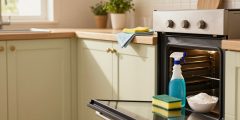
Grease builds up in places we use a lot, like the kitchen. It sticks around stovetops, ovens, and countertops. We need to clean these spots often to stop grease from becoming a big problem.
Why Traditional Cleaning Methods Often Fall Short
Traditional cleaning methods often fail because of
Chemical Limitations
and
Physical Barriers to Effective Cleaning
. Many cleaners can’t handle tough grease. Even when they can, cleaning can be hard, especially on tricky surfaces.

Knowing these challenges helps us find better ways to clean greasy surfaces. By understanding what traditional methods can’t do, we can look for new solutions to remove grease.
Understanding Different Types of Grease
Knowing the types of grease is key for cleaning. Grease falls into two main categories: kitchen grease and mechanical grease.
Kitchen Grease vs. Mechanical Grease
Kitchen grease is made of food and cooking oil. Mechanical grease, on the other hand, is a mix of lubricants and metals. Kitchen grease is common at home, while mechanical grease is found in garages or workshops.
How Grease Bonds to Different Surfaces
The bond between grease and surfaces varies. It depends on the surface’s material.
Porous vs. Non-Porous Materials
Porous materials, like unsealed wood or fabric, soak up grease. This makes cleaning tough. Non-porous surfaces, like metal or glass, are easier to clean.
The Science Behind Grease Adhesion
Grease sticking power comes from surface tension and grease viscosity. Knowing this helps pick the right grease removal techniques.
| Surface Type | Grease Type | Cleaning Difficulty |
|---|---|---|
| Porous | Kitchen Grease | High |
| Non-Porous | Mechanical Grease | Medium |
| Porous | Mechanical Grease | Very High |

Understanding grease types and surfaces helps pick the best degreasers for kitchen surfaces or other areas.
Essential Tools for Tackling Greasy Messes
Cleaning greasy areas is easy with the right tools. When dealing with tough grease, the right equipment makes a big difference. This leads to a clean surface.
Must-Have Cleaning Supplies
You’ll need some key cleaning supplies to handle greasy messes. Microfiber cloths are essential because they soak up grease without leaving marks. Scrubbers are also great for removing hard grease, thanks to their abrasive nature.
Microfiber Cloths and Scrubbers
Microfiber cloths are perfect for everyday cleaning. Scrubbers, on the other hand, are best for heavy grease. Using both together helps you clean various greasy messes effectively.
Specialized Brushes and Applicators
Specialized brushes and applicators are crucial for detailed cleaning. They fit into tight spots that bigger tools can’t reach. This makes them perfect for specific cleaning tasks.
New Cleaning Gadgets Hitting the Market
The cleaning world is always changing, with new tools coming out. One exciting innovation is the steam cleaner. It uses hot steam to break down and remove grease.
Steam Cleaners and Innovations
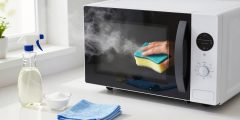
Steam cleaners are great for greasy surfaces because they don’t need harsh chemicals. Other new tools include advanced scrubbers with ergonomic handles and adjustable heads. These make cleaning easier and more efficient.
A cleaning expert once said, “The right tool can make a tough cleaning job easy.” With these tools and new gadgets, cleaning greasy messes is much simpler.
Commercial Degreasers: What’s New in 2023
In 2023, commercial degreasers have evolved significantly. New formulas and eco-friendly options are changing how we deal with grease.
Top-Rated Grease-Fighting Products
The market is full of top-rated grease-fighting products. Each has unique features and improvements. Some of the best include:
- Ecover Degreaser: Known for its plant-based formula and effectiveness.
- Simple Green: A versatile degreaser for various surfaces.
- Krud Kutter: Offers a biodegradable solution that’s tough on grease.
Recent Formulation Improvements
Recent years have brought big changes in degreaser formulas. Many now offer:
- Enhanced grease-cutting abilities.
- Safer ingredients for users and the environment.
- Concentrated formulas that cut down on packaging and costs.
Consumer Testing Results
Consumer tests show these new formulas are more effective and gentler on surfaces. For example, Ecover Degreaser is praised for removing tough grease without leaving residues.

Eco-Friendly Commercial Options
Eco-friendly commercial degreasers are becoming more popular. Businesses want to reduce their environmental impact. Two key categories are:
Plant-Based Degreasers
Plant-based degreasers, like Ecover, use natural ingredients to break down grease. They are effective, biodegradable, and non-toxic.
Biodegradable Solutions
Biodegradable solutions, such as Krud Kutter, break down naturally. This reduces pollution and harm to wildlife.
Choosing eco-friendly degreasers helps businesses keep the environment clean. It also supports a sustainable future.
Effective Cleaning Hacks for Greasy Surfaces
Cleaning greasy surfaces can be easy with the right hacks. Grease is common in kitchens, caused by cooking oils and food residue. It leaves tough stains.
Quick Solutions for Everyday Grease Spills
Quick action is essential for grease spills. Here are some fast techniques and pantry items to tackle grease.
Immediate Response Techniques
Act quickly with grease spills. Start by blotting with a paper towel to soak up grease. Then, use a damp cloth to clean the area.
- Use a gentle scrubber or sponge to remove any remaining grease residue.
- Rinse the area with warm soapy water to remove any soap scum.
Pantry Items That Cut Grease Fast
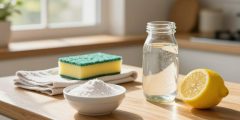
Some pantry items are great at cutting through grease. Baking soda and vinegar make a paste that lifts grease off surfaces.
“Baking soda is a mild abrasive that can help remove grease without damaging surfaces.”
Deep-Cleaning Techniques for Accumulated Grease
For tough grease, deep-cleaning is needed. The layering method and heat-assisted cleaning are very effective.
Layering Method for Stubborn Buildup
The layering method involves applying a cleaning solution, letting it sit, and then scrubbing it off. Repeat as needed until grease is gone.

Heat can help loosen stubborn grease. A warm, damp cloth on the greasy area can soften it, making removal easier.
Tip: Always test a small area first to ensure the cleaning method won’t damage the surface.
DIY Natural Degreasers That Actually Work
Natural degreasers made at home are good for the planet and work well. You can use common items to make strong cleaners. These are safe for your family and the environment.
Vinegar-Based Solutions
Vinegar is great for cleaning because it breaks down grease. Infused vinegar recipes make it even better.
Infused Vinegar Recipes
To make infused vinegar, put herbs or peels in a jar with vinegar. For example, lemon peels make a citrus-infused vinegar. It’s perfect for greasy spots.
Application Techniques
Put the infused vinegar in a spray bottle with water. Spray it on greasy areas and clean with a cloth. For hard grease, let it sit a bit before cleaning.

Citrus and Baking Soda Combinations
Baking soda and citrus are a great team for cleaning. They’re especially good for tough grease.
Mixing Ratios for Different Surfaces
For most surfaces, mix equal parts baking soda and citrus juice. Adjust the mix based on the surface and grease.
Enzyme-Based Homemade Cleaners
Enzyme-based cleaners use natural enzymes to break down grease. They’re good for the planet and deep cleaning.
Fermentation Methods
To make an enzyme-based cleaner, ferment fruit peels in water. The liquid is full of enzymes that dissolve grease.
Storage and Shelf Life
Keep your enzyme-based cleaner in the fridge to make it last longer. It’s usually good for weeks, but check for spoilage before using.
Using these DIY natural degreasers can help clean greasy surfaces without harsh chemicals. It’s good for your home and the planet.
Surface-Specific Cleaning Techniques
Different kitchen surfaces need their own cleaning methods. The right cleaning method depends on the surface type. Countertops, stovetops, and stainless steel appliances all have unique cleaning needs for a clean kitchen.
Countertops and Backsplashes
Countertops and backsplashes get dirty with grease and grime. The cleaning method varies based on the material.
Natural Stone Considerations
When cleaning natural stone countertops, use pH-neutral cleaners. Avoid acidic or abrasive cleaners to prevent damage.
Laminate and Synthetic Surfaces
Laminate and synthetic surfaces can be cleaned with mild soap and water. Gentle scrubbing helps remove tough stains.
Stovetops and Ovens
Stovetops and ovens are prone to grease buildup. Regular cleaning is key to avoid grime.
Glass Cooktops
For glass cooktops, use a gentle cleanser and a soft cloth. Specialized glass cooktop cleaners ensure a streak-free finish.
Cast Iron Grates
Cast iron grates need a different cleaning method. Scouring with a stiff brush and hot water removes grease and food.
Stainless Steel Appliances
Stainless steel appliances are popular in modern kitchens. They need special care to keep their finish looking good.
Maintaining the Finish
To keep stainless steel appliances looking new, clean with a microfiber cloth and mild detergent. Avoid harsh cleaners or scrubbers.
Preventing Fingerprints
To stop fingerprints, use a stainless steel cleaner or vinegar and water. This reduces smudges and keeps appliances clean.

Using these specific cleaning techniques helps keep kitchen surfaces clean. Regular cleaning and the right products make a big difference in appearance and longevity.
Tackling Greasy Floors and Walls
When dealing with greasy floors and walls, it’s important to know the right cleaning methods. Grease builds up fast, especially in kitchens and bathrooms. So, having good cleaning strategies is key.
Techniques for Different Flooring Materials
Different floors need different cleaning ways. Tile and grout need strong cleaning because they soak up dirt. But, hardwood and laminate floors need gentle care to avoid damage.
Tile and Grout
To clean tile and grout, mix baking soda and vinegar. Spread the paste on the grout, wait a few minutes, scrub with a brush, and then rinse.
Hardwood and Laminate
For hardwood and laminate, use a mild detergent with warm water. Don’t use too much water to avoid damage. A microfiber mop is great for these floors.
Wall Cleaning Without Damaging Paint
When cleaning walls, always test a small area first. This makes sure the cleaner won’t harm the paint.
Testing Methods
Try a gentle solution like water and mild dish soap. Dip a cloth in it, squeeze it out well, and wipe the wall gently.
Gentle Approaches for Delicate Surfaces
For delicate surfaces, stay away from harsh chemicals and rough materials. Use soft cloths and gentle cleaners to keep the surface safe.

Expert Tips for Removing Set-In Grease Stains
To remove set-in grease stains, you need to know the type of grease and the surface it’s on. Each type of grease needs a specific method. Using the wrong method can harm the surface or push the grease deeper.
Professional Cleaning Secrets
Experts use secret techniques that most people don’t know. One trick is to mix heat and a cleaning solution to break down the grease.
Industry Techniques Adapted for Home Use
Industry Techniques Adapted for Home Use
For hard grease stains, use a lot of baking soda or a degreaser. Let it sit, then scrub and rinse. This works well on most kitchen surfaces.
Timing and Temperature Considerations
The water temperature affects grease removal. Hot water works best, but avoid boiling water on some surfaces.
When to Call in the Professionals
Some grease stains need professional help. Knowing when to call a pro can save time and prevent damage.
Cost-Benefit Analysis
Think about the cost of cleaning products and your time versus hiring a pro. For big or hard stains, pros might be cheaper.
Finding Specialized Services
Look for cleaning services that focus on grease removal. They have the right tools and know-how for tough stains.
| Service | Cost | Effectiveness |
|---|---|---|
| DIY Cleaning | $0 – $50 | Variable |
| Professional Cleaning | $100 – $500 | High |
Preventing Grease Buildup: Proactive Strategies
Homeowners can easily cut down on grease buildup in their kitchens. This makes cleaning simpler and keeps the kitchen healthier.
Daily Habits That Minimize Grease Accumulation
Simple daily habits can greatly reduce grease buildup. Two key practices are adjusting cooking methods and wiping down surfaces right after cooking.
Cooking Practices That Reduce Splatter
Choosing the right cooking techniques can help reduce splatter and grease buildup. For example, using a deep fryer with a lid keeps splatters in. Cooking on medium heat also stops oil from splashing.
- Use lids on pots and pans to contain splatters.
- Avoid overheating oil, as it can lead to splattering.
- Choose cooking methods that produce less grease, such as baking or grilling.
Immediate Wipe-Down Routines
Wiping down surfaces right after cooking stops grease from hardening. Use a damp cloth or paper towel on stovetops, countertops, and other grease-prone areas.
Protective Measures for High-Risk Areas
Protective measures in high-risk areas also help prevent grease buildup.
Splatter Guards and Covers
Splatter guards and covers protect surfaces from grease splatters. They’re especially useful when frying or sautéing.
- Install a splatter guard on your stovetop.
- Use silicone covers for pots and pans to reduce splatter.
Sealants and Protective Coatings
Sealants or protective coatings make cleaning easier and stop grease from getting in.
- Apply a non-stick coating to your stovetop or countertops.
- Seal grout lines to prevent grease from seeping in.
By using these proactive strategies, homeowners can keep their kitchens cleaner and healthier with less effort. Regular maintenance and protective measures can greatly reduce grease buildup, making cleaning easier.
Environmental Impact of Grease Cleaning Products
When we clean greasy surfaces, we must think about the environmental cost. The products we use can harm our ecosystem. This affects water quality and wildlife.
Eco-Friendly Alternatives on the Rise
More people want eco-friendly degreasers because they care about the environment. Sustainable brands are popping up. They offer products that work well and are kind to the planet.
New Sustainable Brands
Brands like Seventh Generation and Ecover are leading the way. They have a range of eco-friendly cleaning products.
Certification Standards to Look For
When picking eco-friendly products, look for certifications. EPA Safer Choice or Leaping Bunny are good ones. They show the product meets environmental standards.
Proper Disposal of Greasy Waste
It’s key to dispose of greasy waste properly to avoid harming the environment. Municipal guidelines differ, so always check local rules.
Municipal Guidelines
Find out what your local waste management agency says about disposing of greasy waste.
Environmental Considerations
| Disposal Method | Environmental Impact |
|---|---|
| Proper disposal in designated facilities | Low environmental impact |
| Improper disposal down drains | High environmental impact |
Conclusion
Effective cleaning hacks for greasy surfaces can make a big difference in keeping your kitchen clean and healthy. Knowing the types of grease and using the right techniques helps tackle tough grease buildup.
This article covered kitchen cleaning tips and eco-friendly practices for greasy surfaces. These strategies help prevent grease buildup and reduce environmental impact. By using these methods daily, you can keep your kitchen clean and eco-friendly.
In conclusion, combining effective cleaning hacks, the right products, and eco-friendly practices leads to a cleaner kitchen. This approach makes your kitchen healthier and more inviting. Adopting these practices ensures a grease-free kitchen that’s both safe and sustainable.