Sarah loved hosting dinner parties in her cozy Seattle home. One evening, while prepping a zesty lemon chicken, she realized she used the same wooden surface for both raw poultry and fresh parsley. This small oversight is a common mistake that can compromise kitchen sanitation in an instant.
Maintaining proper cutting board hygiene involves more than a quick rinse under the tap. It requires a dedicated approach for ensuring every meal stays safe for everyone at the table. Adopting consistent food safety practices helps prevent cross-contamination and unwanted bacteria growth.

Effective maintenance doesn’t have to be a chore if you have the right tools. By following a few simple steps, anyone can ensure the prep area remains spotless. Let’s dive into the best methods to maintain a truly healthy workspace.
Key Takeaways
- Separate surfaces for meat and produce prevent cross-contamination.
- Hot soapy water remains essential for daily maintenance.
- Deep sanitize wood surfaces using vinegar or lemon and salt.
- Replace any surface with deep grooves where bacteria hide.
- Always dry slabs completely before storing them away.
- Regular oiling extends the life of wooden prep tools.
Why Cutting Board Hygiene Matters More Than You Think
A clean cutting board is key to a hygienic kitchen. It helps prevent cross-contamination. If you prepare food on a dirty cutting board, you might spread bacteria like Salmonella and E. coli. This can cause foodborne illnesses.
Food safety is crucial in any kitchen. Keeping your cutting board clean is a vital step. Poor hygiene can spread harmful bacteria and pathogens.

Poor cutting board hygiene poses big risks. For example, cutting raw meat and then veggies or fruits without cleaning can spread bacteria. This is especially dangerous for people with weak immune systems, like the elderly, young kids, and those with chronic illnesses.
Good cutting board hygiene is more than just avoiding foodborne illnesses. It keeps your kitchen clean and healthy. By focusing on cutting board cleanliness, you’re making your kitchen a healthier place.
To keep your cutting boards clean, regular cleaning, sanitizing, and maintenance are key. This not only protects your family’s health but also makes your cutting boards last longer.
Understanding Different Cutting Board Materials and Their Cleaning Needs
Knowing what your cutting board is made of is key to keeping it in top shape. Each material has its own strengths and weaknesses. This affects how long it lasts, how easy it is to clean, and how safe it is to use.
Cutting boards come in many materials like wood, plastic, bamboo, and composite. Each has its own benefits and cleaning needs.
Wood Cutting Boards: Natural Beauty with Special Care Requirements
Wood cutting boards are loved for their natural look and how well they treat knives. But, they need special care to stay in good condition and clean.
Key characteristics:
- Need regular oiling to stay moist
- Should be hand washed with mild soap and water
- Must be dried well after cleaning
A culinary expert says, “Wood cutting boards, with the right care, can last for decades and get even more beautiful over time.”
“The key to keeping a wood cutting board in great shape is regular care and avoiding harsh chemicals.”
Plastic Cutting Boards: Durable and Dishwasher-Friendly Options
Plastic cutting boards are tough and easy to clean. They’re often safe for the dishwasher, making them a popular choice for many.
| Material | Dishwasher Safe | Maintenance Level |
|---|---|---|
| Plastic | Yes | Low |
| Wood | No | High |
| Bamboo | Some | Medium |
Bamboo and Composite Materials: Modern Alternatives
Bamboo and composite cutting boards are modern options with special benefits. Bamboo is eco-friendly and strong, while composite materials offer durability and style.

Bamboo boards are made from sustainable bamboo and are durable and resistant to knife marks. Composite materials vary in their properties based on their mix.
Cleaning tips:
- For bamboo boards, hand wash with mild soap and dry well.
- For composite boards, follow the manufacturer’s cleaning guide.
How to Keep Your Cutting Boards Clean: Daily Cleaning Essentials
Keeping your cutting board clean is key to food safety in the kitchen. Daily cleaning is vital for keeping your cutting boards hygienic. By following a few easy steps, you can keep your cutting boards clean and safe.
Immediate Post-Use Cleaning Steps
Always clean your cutting board right after use. Start by removing big food bits with a spatula or soft brush. This makes cleaning easier by preventing debris from drying on the board.
Use a gentle cleaning approach to avoid damaging your cutting board. A soft sponge or cloth with warm water is best for removing food residue from most cutting boards.
The Right Soap and Water Temperature
The soap and water temperature you use for cleaning matters. Mild dish soap is best because it cleans well without leaving harsh chemicals.
Warm water is the best for cleaning cutting boards. It loosens food bits without harming the material. Avoid hot water on wooden boards, as it can warp or crack them.

Proper Drying Techniques to Prevent Bacterial Growth
Drying your cutting board right after cleaning is key to stopping bacteria. Stand the cutting board on its edge to let air circulate, or dry it with a clean towel. This stops moisture buildup, which can cause bacteria.
For wooden cutting boards, apply food-safe mineral oil after drying. This keeps the wood healthy and prevents cracking.
Deep Cleaning Methods for Wooden Cutting Boards
Keeping a wooden cutting board clean is more than just a quick wipe. It needs a deep understanding of materials and methods to keep it safe and lasting. Wooden cutting boards are a key part of many kitchens. But, they often get overlooked, leading to health risks and a shorter life.
Deep cleaning is key for wooden cutting boards. It removes dirt and bacteria and keeps the wood moist. We’ll look at several deep cleaning methods for these boards.
Salt and Lemon Scrub Treatment
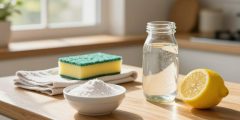
A salt and lemon scrub is a classic way to clean wooden cutting boards. Salt gets rid of tough stains and smells. Lemon juice is a natural disinfectant.
To do this, spread coarse salt over the board. Cut a lemon in half and scrub the salt into the wood. Make sure to cover the whole board. Let it sit for a few minutes, then rinse and dry well.

Baking Soda Deep Clean Method
Baking soda is great for cleaning wooden cutting boards. It’s soft on the wood but tough on stains and smells.
To use baking soda, mix it with water to make a paste. Apply it to the board and let it sit for 15-30 minutes. Then, scrub it gently and rinse with warm water. Dry it well to avoid moisture.
| Cleaning Method | Effectiveness Against Odors | Gentleness on Wood |
|---|---|---|
| Salt and Lemon | High | Medium |
| Baking Soda | High | High |
Mineral Oil Conditioning for Longevity
After cleaning, condition your wooden cutting board with mineral oil. It keeps the wood moist and prevents cracking.
Choosing Food-Grade Mineral Oil
Use food-grade mineral oil for conditioning. This oil is safe for food surfaces and won’t spoil.
Application Technique and Drying Time
To apply mineral oil, pour a bit on the board and rub it in with a cloth. Make sure it’s evenly spread. Let it soak for a few hours or overnight, then wipe off excess.
Tips for Effective Deep Cleaning:
- Always clean your cutting board right after use to stop bacteria growth.
- Regular deep cleaning can make your wooden cutting board last longer.
- Avoid harsh chemicals or abrasive cleaners, as they can harm the wood.
Sanitizing Plastic Cutting Boards for Maximum Food Safety
To keep food safe, it’s key to know how to clean plastic cutting boards well. These boards are common in kitchens because they’re tough and easy to clean. But, their texture can trap bacteria, so cleaning them often is a must.

Bleach Solution Disinfection Process
Using a bleach solution is a good way to clean plastic cutting boards. Mix one tablespoon of unscented chlorine bleach with one gallon of water. Soak the board in this mix for a few minutes to kill bacteria.
After soaking, rinse the board well with clean water. Then, dry it with a clean towel. Make sure to use unscented bleach to avoid leaving residue. Also, check the board’s maker to see if bleach is okay to use.
Dishwasher Sanitization Cycle
If you have a dishwasher, use its sanitization cycle to clean plastic cutting boards. This cycle heats up to kill bacteria and germs. Make sure your board is dishwasher-safe before trying this.
Not all dishwashers have a sanitization cycle. So, check your dishwasher’s settings. When you can use it, this method is easy and very effective.
Hydrogen Peroxide as a Food-Safe Alternative
Hydrogen peroxide is a safe choice for cleaning plastic cutting boards. It kills many types of bacteria and is gentler than bleach. Just apply it to the board, wait a few minutes, and then rinse it with clean water.
This option is great for those who want something safe and eco-friendly. Always rinse the board well after cleaning to avoid any taste or smell.
DIY Cutting Board Cleaners and Food-Safe Disinfectants
Keeping your cutting board germ-free is easy with DIY and eco-friendly methods. A clean cutting board is key for kitchen safety and hygiene. Natural ingredients and eco-friendly products keep your boards clean without harsh chemicals.
Vinegar-Based Natural Cleaning Solutions
Vinegar is great for cleaning cutting boards. Mix equal parts water and white vinegar in a spray bottle. Spray it on the board, wait a few minutes, then rinse and dry.
Benefits of Vinegar-Based Cleaners:
- Natural antibacterial properties
- Environmentally friendly
- Cost-effective
Experts say vinegar is a natural disinfectant. It reduces bacteria on cutting boards.
“Vinegar is effective against many bacteria. It’s a great choice for cleaning cutting boards.”
Essential Oil Disinfectant Sprays
Essential oils make a natural and fragrant spray for cutting boards. Mix a few drops of your favorite oil (like tea tree or lemon) with water and vinegar. Shake well and spray on the board to air dry.
| Essential Oil | Antibacterial Properties | Scent |
|---|---|---|
| Tea Tree Oil | Strong | Medicinal |
| Lemon Oil | Moderate | Citrus |
| Eucalyptus Oil | Strong | Fresh |

Eco-Friendly Commercial Alternatives
If DIY isn’t your thing, eco-friendly commercial cleaners are available. Choose products that are non-toxic and biodegradable. Always check the ingredients to meet your eco-friendly standards.
Key Features to Look for in Eco-Friendly Commercial Cleaners:
- Non-toxic ingredients
- Biodegradable formula
- Free from harsh chemicals
Preventing Cross-Contamination and Bacterial Growth on Cutting Boards
Keeping your kitchen clean is more than just wiping down surfaces. It’s about stopping bacteria from spreading on cutting boards. This is key to avoiding foodborne illnesses. So, it’s important to know how to stop cross-contamination.
Color-Coded Board System for Different Food Types
Using a color-coded cutting board system is a smart way to avoid cross-contamination. You can use a red board for raw meat, a green board for veggies, and a blue board for fish. This system makes it easy to pick the right board for each food, reducing the chance of contamination.

- Red: Raw meat
- Green: Vegetables and fruits
- Blue: Fish and seafood
- Yellow: Poultry
- White: Dairy and bread
Raw Meat Safety Protocols
Handling raw meat needs extra care to stop harmful bacteria like Salmonella and E. coli. It’s important to use separate boards for raw proteins and clean them right away.
Separate Board Designation for Raw Proteins
Having a special cutting board for raw proteins is crucial. This stops bacteria from getting to other foods that won’t be cooked. Even if you’re going to cook it, using a separate board helps keep your kitchen safer.
Immediate Cleaning Requirements After Raw Meat
After using a cutting board for raw meat, clean it immediately. Wash it with hot soapy water, sanitize it, and dry it well. Waiting too long lets bacteria grow, raising the risk of contamination.
Recognizing When Your Board Needs Replacement
Even with regular cleaning, cutting boards have a limited life. Knowing when to replace them is key to keeping your kitchen clean.
Deep Grooves and Knife Scars That Harbor Bacteria
Over time, cutting boards get grooves and scars from knives. These can hold onto bacteria, making cleaning hard. If your board has deep grooves or scars, it’s time for a new one.
Persistent Odors and Staining Issues
If your cutting board smells or stains even after cleaning, it might be hiding bacteria. Wooden boards, in particular, can absorb smells and stains, showing they’re not clean.
Warping and Cracking in Wooden Boards
Wooden cutting boards that warp or crack are hard to clean and can breed bacteria. If your board is warping or cracking, it’s time to get a new one.
Best Practices for Cutting Board Storage and Maintenance
Keeping your cutting board clean and dry is just the start. Proper storage is also key. Store your cutting board in a way that lets air in and keeps moisture out. This helps stop bacteria from growing and makes your cutting board last longer.
Proper Storage Position for Air Circulation
For your cutting board to dry well, store it upright or on a drying rack. This helps prevent moisture from building up. It’s especially important for wooden boards, as too much moisture can cause them to warp or crack.
Avoiding Common Storage Mistakes
Don’t store cutting boards in a drawer or under a lid if they’re not dry. This creates a humid spot that bacteria love. Also, avoid stacking boards without drying them first. This can cause damage and spread germs.
By avoiding these errors and using the right storage methods, you can make your cutting boards last longer and stay safe to use.
Weekly and Monthly Cutting Board Maintenance Routines
To keep your kitchen clean, it’s important to take care of your cutting boards. This means cleaning them every day and doing deeper cleanings to keep them safe and lasting longer.
Weekly Deep Sanitization Schedule
Sanitizing your cutting boards once a week is key to getting rid of bacteria. For plastic boards, a bleach solution or a dishwasher’s sanitizing cycle works well. Wooden boards can be cleaned with vinegar and water or hydrogen peroxide.
To sanitize deeply, follow these steps:
- Clean the cutting board well with soap and water.
- Use the sanitizing solution all over the board.
- Wait a few minutes before rinsing.
- Make sure the board is dry, using a towel and then air-drying.
Monthly Conditioning for Wooden Boards
Wooden cutting boards need to be conditioned every month to stay in good shape. Mineral oil is a great choice for this. It keeps the wood moist and prevents it from cracking.
To condition your wooden cutting board:
- Clean the board well.
- Put a lot of mineral oil on the board.
- Let it sit overnight so the oil can soak in.
- Wipe off any extra oil with a clean cloth.
Regular care not only makes your cutting boards last longer but also keeps your kitchen safe. Here’s a quick guide to keeping your cutting boards in top shape:
| Maintenance Task | Frequency | Materials Needed |
|---|---|---|
| Deep Sanitization | Weekly | Bleach solution or vinegar and water |
| Conditioning | Monthly | Mineral oil |
Expert Tips for Keeping Different Cutting Boards Germ-Free
To keep cutting boards germ-free, it’s important to know how to clean each material. Experts in the kitchen share their best tips for keeping things clean.
Professional Chef Recommendations
Chefs say cleaning and sanitizing regularly is key. Thomas Keller recommends using soap and water daily, then sanitizing. For tough stains and smells, a baking soda paste works well.
They also talk about keeping the board in good shape. Wooden boards need oiling to avoid cracks and germs.
Food Safety Expert Guidelines
Food safety experts agree with chefs on the need for cleanliness. The USDA suggests using a bleach solution to sanitize. They also warn against using the same board for raw and ready-to-eat foods without cleaning in between.
| Cutting Board Material | Recommended Cleaning Method | Sanitization Method |
|---|---|---|
| Wood | Mild soap and water | Bleach solution or vinegar |
| Plastic | Dishwasher or hot soapy water | Bleach solution or dishwasher sanitizing cycle |
| Bamboo | Mild soap and water | Vinegar or hydrogen peroxide |
Common Cleaning Mistakes to Avoid
Staying away from common mistakes is key. Two big ones to avoid are soaking wooden boards and using harsh cleaners.
Never Soak Wooden Cutting Boards
Soaking wooden boards can make them warp or crack. Clean them right after use with mild soap and water, and dry them well.
Avoiding Abrasive Cleaners That Damage Surfaces
Harsh cleaners can scratch the board, letting bacteria grow. Use gentle cleaners and soft sponges to keep the board safe.
By following these tips, you can keep your cutting boards clean and safe. This helps make your kitchen a healthier place.
Dishwasher Safe Cutting Boards: What You Need to Know
Cutting boards are key in every kitchen. Knowing how to clean them, including dishwasher use, is vital for cleanliness. Not all cutting boards can handle the dishwasher’s heat and water.
Before putting your cutting board in the dishwasher, think about its material. Different materials need different cleaning methods.
Which Materials Can Go in the Dishwasher
Most plastic and some composite cutting boards are okay for the dishwasher. But, always check the maker’s advice, as some might have special tips.
Wooden cutting boards, including bamboo, should not go in the dishwasher. The heat and moisture can damage them, causing warping or cracking.
| Material | Dishwasher Safe | Recommended Cleaning Method |
|---|---|---|
| Plastic | Yes | Dishwasher or hand wash with soap and warm water |
| Wood | No | Hand wash with soap and warm water, dry thoroughly |
| Bamboo | No | Hand wash with soap and warm water, dry thoroughly |
| Composite | Check manufacturer’s guidelines | Varies |
Optimal Dishwasher Settings for Sanitization
For safe dishwasher use, the right settings are key. A high-temperature wash cycle is best for killing germs.
Also, use the sanitize cycle if your dishwasher has it. This cycle is made to remove bacteria and viruses, adding extra cleanliness.
Knowing which cutting boards can go in the dishwasher and how to sanitize them helps keep your kitchen clean. Always follow the maker’s cleaning and care advice.
Maintaining a Hygienic Kitchen Through Proper Cutting Board Care
Proper care of your cutting boards is key to a clean kitchen. By following the cleaning and maintenance tips in this article, you can lower the risk of germs spreading. This helps keep your kitchen safe and healthy.
Good cutting board care means cleaning them every day, sanitizing them regularly, and storing them right. These habits help keep your kitchen a safe place for food preparation.
Keeping your kitchen clean is more than just wiping down surfaces. It’s also about making habits that keep food safe. Check your cutting boards often for damage and replace them when needed.
By focusing on cutting board care and following these tips, you can have a clean kitchen. This supports your health and wellbeing.