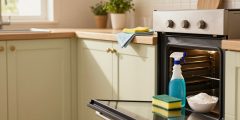
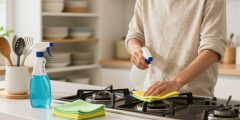
Did you know the average American household spends nearly $600 a year on cleaning chemicals? This shows many families spend too much on keeping their homes clean. Often, the best natural home scrubbing fixes are in your pantry.
Using household scrubbing tips can save money and keep your home air clean. These diy washing mixes often use simple items like white vinegar or baking soda. They show you don’t need expensive or harmful products to get the job done.

Making small changes can make your home safer for everyone. It’s easy to find simple cleaning products you already have to clean every room. These everyday items for scrubbing are a safe way to get rid of tough dirt without stress.
Key Takeaways
- Common pantry staples significantly reduce annual spending on supplies.
- Vinegar and baking soda effectively remove stubborn dirt and stains.
- Natural choices limit daily contact with harsh industrial chemicals.
- Homemade mixtures often match the power of expensive store brands.
- Basic household tools streamline the residential maintenance process.
- Using non-toxic items protects the overall indoor air quality.
Why Common Household Products Outperform Commercial Cleaners
Many effective cleaning solutions are found in your home. Household products often outdo commercial cleaners. They are better at tackling tough messes.
Natural cleaners work well because of chemical reactions. For example, lemon juice’s acidity is great at breaking down grease and grime.
The Chemical Reactions That Make Natural Cleaners Effective
Knowing the science behind natural cleaners is key. Mixing baking soda and vinegar, for example, creates a powerful cleaner. It’s great for removing stains and unclogging drains.

This mix creates carbon dioxide gas. It helps lift and remove dirt and grime. Lemon juice’s acidity also dissolves mineral deposits and breaks down tough grease.
Cost Savings and Environmental Impact
Using household products for cleaning saves money. You likely already have what you need, so you don’t have to buy special cleaners.
Choosing natural cleaning ingredients is also good for the planet. Commercial cleaners can pollute water and harm animals. But vinegar and baking soda are safe and break down easily.
Health Benefits of Non-Toxic Cleaning Solutions
Switching to non-toxic cleaners is good for your health. Commercial cleaners can release harmful fumes and leave residues. These can harm indoor air quality.
Using eco-friendly cleaning products like lemon juice and baking soda reduces exposure to harmful chemicals. It makes your home a healthier place for you and your family.
Simple Cleaning Products You Already Have
Before you buy commercial cleaners, check your pantry. Many household items can clean your home naturally. They are effective against messes and stains.
Pantry Staples That Double as Cleaning Agents
Your pantry holds more than food; it’s full of natural cleaners. Baking soda can scrub surfaces, soak up smells, and stop acidic spills. Lemon juice is a natural disinfectant that brightens and removes stains.
White vinegar and cornstarch are also great for cleaning. Vinegar dissolves mineral deposits and grime. Cornstarch cleans windows and polishes furniture.

Matching Products to Specific Cleaning Challenges
Each cleaning task needs a special approach. For grease and oil stains, use dish soap. It cuts through grime well. White vinegar is best for mineral deposits and hard water stains.
| Cleaning Challenge | Recommended Product |
|---|---|
| Grease and Oil-Based Stains | Dish Soap |
| Mineral Deposits and Hard Water Stains | White Vinegar |
| Surface Scrubbing and Odor Absorption | Baking Soda |
| Disinfecting and Brightening | Lemon Juice |
Building Your Natural Cleaning Arsenal
To create a natural cleaning kit, start with baking soda, white vinegar, lemon juice, and cornstarch. These items can be mixed to solve many cleaning problems.
Mix baking soda with water for a paste to remove tough stains. Lemon juice and white vinegar together make a strong disinfectant for germ-prone areas.
White Vinegar Tackles Hard Water Stains and Stubborn Grime
White vinegar is a top pick for natural cleaning. It’s versatile and works well, making it a key part of many eco-friendly cleaning kits. Its acidity helps dissolve mineral deposits, break down grime, and sanitize without harsh chemicals.
Dissolving Mineral Deposits on Faucets and Showerheads
Removing hard water stains from faucets and showerheads can be tough. White vinegar’s acidity is perfect for this job. Just soak a cloth in vinegar, wrap it around the stain, and let it sit for a few hours or overnight. The acid will break down the deposits, making them easy to wipe away.
Cleaning Glass and Mirrors Without Streaks
For streak-free glass and mirrors, mix equal parts water and white vinegar in a spray bottle. Spray it on the glass and clean with a lint-free cloth or paper towel. The vinegar’s acidity cuts through grime, leaving the glass sparkling.

Removing Soap Scum from Bathroom Surfaces
Soap scum can leave ugly stains on bathroom surfaces. White vinegar is great at removing this grime. Apply vinegar directly to the scum, let it sit for a few minutes, then scrub with a non-abrasive sponge or cloth. Rinse well to see clean surfaces.
Deodorizing Washing Machines and Dishwashers
White vinegar can also freshen up washing machines and dishwashers. Run a hot water cycle with a cup of vinegar to remove detergent residue and odors. This keeps the appliances working well and smelling fresh.
Here’s a summary of white vinegar’s uses in cleaning:
| Task | Method | Benefits |
|---|---|---|
| Dissolving Mineral Deposits | Soak a cloth in vinegar, wrap around the affected area | Removes hard water stains effectively |
| Cleaning Glass and Mirrors | Mix equal parts water and vinegar, spray and wipe clean | Streak-free and sparkling clean |
| Removing Soap Scum | Apply vinegar directly, scrub, and rinse | Removes grime without harsh chemicals |
| Deodorizing Appliances | Run a hot water cycle with a cup of vinegar | Removes odors and detergent residue |
Baking Soda Conquers Stains Without Damaging Surfaces
Baking soda is great for cleaning tough stains without harming surfaces. It’s mild and perfect for many cleaning tasks at home.

Removing Baked-On Food from Cookware
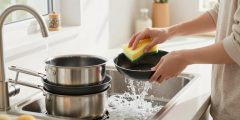
Removing baked-on food from cookware can be hard. But baking soda makes it easier. Sprinkle it on the stain, add a bit of water to make a paste, and let it sit overnight. In the morning, scrub gently to clean.
For really stubborn stains, boil water and baking soda in the cookware. This helps break down the food, making it easier to clean.
Eliminating Carpet Stains and Pet Odors
Carpet stains and pet odors are tough to get rid of. Baking soda can soak up and neutralize these smells. Just sprinkle it on the stain, wait 30 minutes to an hour, and then vacuum. For tough stains, mix baking soda and water to make a paste, apply, and let dry before vacuuming.
Scrubbing Tile Grout and Bathroom Fixtures
Tile grout and bathroom fixtures can get dirty and stained. Baking soda can make them look new again. Mix baking soda and water to make a paste, apply, and let sit 15-30 minutes. Then, scrub with a toothbrush and rinse. This will clean off dirt and grime, making your bathroom shine.
Creating Effective Cleaning Pastes for Tough Jobs
Baking soda can be mixed with other natural ingredients for tough cleaning jobs. Mixing it with lemon juice or vinegar makes a paste that removes stains and grime. Adding a few drops of essential oils gives it a nice scent. These homemade recipes are safe, non-toxic, and good for the environment.
Using baking soda in your cleaning routine helps with many tough jobs. It’s versatile and works well, making it a great addition to your cleaning tools.
Lemon Juice Brightens and Disinfects Problem Areas
Lemon juice is great for cleaning because it brightens and disinfects. It’s a natural cleaner that works well on many tough messes. This includes grease, grime, rust stains, and discolored surfaces.
Cutting Through Kitchen Grease and Burnt Residue
In the kitchen, lemon juice is a top choice. It cuts through grease and burnt residue on cookware and countertops. The acidity in lemon juice breaks down tough grime, making cleaning easier.
To use lemon juice, apply it to the greasy area. Let it sit for a few minutes, then scrub and rinse.
Whitening Discolored Plastic and Porcelain
Lemon juice also whitens discolored plastic and porcelain. The citric acid in lemon juice removes stains and brightens these surfaces.
For best results, mix lemon juice with baking soda to make a paste. Apply it to the stained area, let it sit, and then rinse.

Removing Rust Stains and Hard Water Marks
Rust stains and hard water marks are hard to remove, but lemon juice can help. The acidity in lemon juice dissolves mineral deposits that cause these stains.
Apply lemon juice directly to the stain, let it sit, and then scrub and rinse. For tougher stains, repeat as needed.
Natural Antibacterial Properties for Food Prep Surfaces
Lemon juice has natural antibacterial properties. It’s great for cleaning food preparation surfaces. It helps reduce cross-contamination and keeps your kitchen clean.
Use lemon juice to wipe down countertops, sinks, and other surfaces that come into contact with food.
| Cleaning Task | Method | Benefits |
|---|---|---|
| Cutting through kitchen grease | Apply lemon juice directly, let it sit, then scrub and rinse | Effective at breaking down tough grime |
| Whitening discolored surfaces | Mix lemon juice with baking soda, apply, and rinse | Restores original brightness |
| Removing rust stains | Apply lemon juice, let it sit, then scrub and rinse | Dissolves mineral deposits |
| Disinfecting food prep surfaces | Wipe down surfaces with lemon juice | Natural antibacterial properties |
Dish Soap Cuts Through More Than Just Dishwashing
Dish soap is more than just for washing dishes. It’s great for deep cleaning and removing stains. Its formula breaks down grease and food residue, making it useful for many cleaning tasks.
Deep Cleaning Greasy Range Hoods and Stovetops
Cleaning greasy range hoods and stovetops can be tough. But dish soap makes it easier. Mix it with warm water to create a solution that cuts through grime.
Apply the solution to greasy areas, let it sit for a few minutes. Then, scrub and rinse.
Benefits of Using Dish Soap for Greasy Surfaces:
| Surface | Effectiveness | Ease of Use |
|---|---|---|
| Range Hoods | High | Easy |
| Stovetops | High | Easy |
| Greasy Countertops | Medium | Moderate |
Spot Treating Oil-Based Stains on Fabric
Dish soap works well on oil-based stains on fabric. Apply a small amount directly to the stain, rub gently, and then wash as usual. It’s great for removing grease and oil stains from clothes and upholstery.

Washing Windows and Outdoor Furniture
Mix dish soap with water for washing windows and outdoor furniture. This solution removes dirt and grime without streaks or residue. For outdoor furniture, use a soft-bristled brush to scrub away dirt.
Mixing Custom All-Purpose Cleaning Solutions
By mixing dish soap with other household items, you can make custom cleaning solutions. For example, dish soap, baking soda, and water make a paste for tough stains and grime.
Custom Cleaning Solution Recipe:
- 1 tablespoon dish soap
- 1 tablespoon baking soda
- 1 cup warm water
Mix these to create a versatile cleaning solution for many surfaces around the house.
Hydrogen Peroxide Disinfects and Whitens Tough Stains
Hydrogen peroxide is a hidden gem in cleaning. It’s great for getting rid of tough stains and making surfaces clean and white.
It works by breaking down stains and killing germs. You can find it in different strengths, but 3% is best for home use.

Lifting Blood and Protein Stains from Fabrics
Hydrogen peroxide is amazing at removing blood and protein stains from clothes. Just apply the 3% solution to the stain, wait a bit, and then rinse with cold water.
For really stubborn stains, mix hydrogen peroxide with a bit of dish soap to make a paste. Put the paste on the stain, wait 15 minutes, and then wash the fabric as you normally would.
Sanitizing Kitchen Sponges and Cutting Boards
Kitchen sponges and cutting boards can be breeding grounds for bacteria. Soaking them in hydrogen peroxide and water can kill germs.
To clean cutting boards, apply the hydrogen peroxide solution, wait a few minutes, and then rinse well. This removes stains and sanitizes the board.
Brightening Dingy Grout and Tile
Dirty grout and tile can make your kitchen or bathroom look old. Hydrogen peroxide can make them look new again. Mix baking soda and hydrogen peroxide to create a paste, and apply it to the grout and tile.
Let the paste sit for 15-30 minutes, then scrub with a toothbrush and rinse with warm water. This will remove stains and whiten the grout.
Removing Mold and Mildew in Bathrooms
Mold and mildew are common in bathrooms, especially around showers and bathtubs. Hydrogen peroxide can get rid of them.
Spray hydrogen peroxide on the mold or mildew, wait 10-15 minutes, and then scrub and rinse. This will clean and sanitize the area.
| Task | Hydrogen Peroxide Solution | Additional Steps |
|---|---|---|
| Lifting Blood Stains | Apply 3% solution directly to stain | Rinse with cold water |
| Sanitizing Kitchen Sponges | Soak in equal parts hydrogen peroxide and water | Rinse thoroughly |
| Brightening Grout | Mix with baking soda to form a paste | Scrub and rinse with warm water |
| Removing Mold and Mildew | Spray directly onto affected area | Scrub and rinse |
Salt, Cornstarch, and Olive Oil Handle Specialized Cleaning Tasks
Everyday items like salt, cornstarch, and olive oil have surprising cleaning uses. They are not just for cooking but also for cleaning your home. These ingredients are effective and gentle for different cleaning tasks.
Absorbing Spills and Scouring Pans with Salt
Salt is great for absorbing spills and cleaning pans. Its rough texture helps remove tough grime without harming surfaces. Just sprinkle salt on the spill or grime, wait a bit, then scrub and rinse.
Cleaning Windows and Polishing Furniture with Cornstarch
Cornstarch is also versatile for cleaning windows and polishing furniture. Mix it with water to make a paste for streak-free glass cleaning. It also polishes furniture, leaving a smooth, dust-repelling finish.
Conditioning Wood and Removing Adhesive Residue with Olive Oil
Olive oil is great for more than just cooking. It conditions wood and removes sticky residue. Its moisturizing properties keep wood looking healthy, while its solvent properties dissolve sticky stuff.
Combining Ingredients for Enhanced Cleaning Power
Using natural ingredients like salt, cornstarch, and olive oil has its perks. You can mix them to boost their cleaning power. For example, salt and olive oil make a paste for tough grime. Cornstarch and water create a gentle solution for delicate surfaces.
Essential Safety Guidelines for Homemade Cleaning Solutions
Homemade cleaning products are great, but you must follow safety rules. It’s important to be careful when making and using these solutions to avoid accidents.
Dangerous Chemical Combinations to Always Avoid
Some chemicals don’t mix well. For example, mixing bleach and ammonia can release harmful fumes. Knowing what you’re working with is key to staying safe.
Toxic Combinations to Avoid:
- Bleach and ammonia
- Bleach and vinegar (can produce chlorine gas)
- Hydrogen peroxide and vinegar (can create a corrosive mixture)
Proper Storage and Labeling Practices
Storing and labeling homemade cleaners correctly is crucial. Keep them in places with good air flow, out of reach of kids and pets. Labeling them helps avoid mistakes and ensures you use the oldest first.
Surface Testing and Material Compatibility
Always test a small area before using a new cleaner. This checks if it will harm the surface. Different surfaces react differently to cleaners, so testing is important.
| Surface | Recommended Cleaning Agent | Precautions |
|---|---|---|
| Wood | Olive oil and lemon juice | Avoid using harsh chemicals |
| Stainless Steel | Vinegar and water | Test for discoloration |
| Marble | Mild soap and water | Avoid acidic substances |
When to Choose Commercial Products Instead
Homemade cleaners are good for many things, but not all. For tough mold or hazardous materials, commercial cleaners might be better. They are often safer and more effective.
In summary, safety is key when making and using homemade cleaners. By knowing the dangers, storing and labeling right, testing surfaces, and choosing commercial products when needed, you can safely enjoy the benefits of homemade cleaning.
Conclusion
Cleaning doesn’t have to be hard or expensive. You can use simple items from your pantry to clean tough messes. This makes cleaning easy and good for the planet.
White vinegar can dissolve mineral deposits, while baking soda tackles stubborn stains. These natural solutions are not only cheap and green. They also make your home healthier by avoiding harmful chemicals.
Adding household tips and DIY cleaning products to your routine is smart. It helps you clean well and in a way that’s kind to the earth. So, when you face a cleaning challenge, try one of these easy, eco-friendly options.