“Done is better than perfect,” Sheryl Sandberg once said. We often ignore the splatters left after warming lunch. A dirty interior causes bad smells and can even change how food tastes.
You don’t need hours to clean stubborn grease. Learning how to clean microwave in 5 minutes is a game-changer. This method is all about being quick so you can focus on what’s important.

Having a fresh kitchen that smells like lemons is amazing. Imagine opening that door and seeing a pristine surface every single time. We make it easy to achieve without harsh chemicals.
Keeping your kitchen gear in good shape is key. These sanitizing tips use common items from your pantry. Let’s dive into these easy steps for a spotless home.
Key Takeaways
- Rapid techniques save valuable time every day.
- Natural ingredients provide a chemical-free sparkle.
- Steam power effectively loosens tough grime.
- Consistent care helps your appliance last longer.
- Fresh scents improve the overall kitchen atmosphere.
- Basic household items are all you really need.
Why Fast Microwave Cleaning Is Essential for Your Kitchen
A clean microwave stops germs and bacteria in your kitchen. Not cleaning it leaves food stains and lets bacteria grow. This is bad for your health and kitchen cleanliness.
The Health Risks of a Dirty Microwave
A dirty microwave is a health risk. It can spread bacteria growth and food contamination. Bacteria from old food can get into your new meals.
Bacteria Growth and Food Contamination
The microwave’s warm, moist inside is perfect for bacteria. Without cleaning, it can hold harmful bacteria like Salmonella and E. coli. These can make your food sick.
Unpleasant Odors Affecting Your Food
A dirty microwave can make your food taste bad. Old smells from meals can get into your food. Cleaning it keeps your food smelling and tasting good.

Time and Money Benefits of Regular Quick Cleaning
Cleaning your microwave often saves time and money. It stops tough stains before they need harsh chemicals. This efficient microwave cleaning saves you money and time.
How Dirt Buildup Affects Microwave Performance
Dirt in your microwave hurts its performance. It can make food cook unevenly. A dirty microwave also uses more energy, costing you more on bills and shortening its life.
Gathering Your Supplies: What You Need for Speedy Microwave Cleaning
To clean your microwave fast, you need the right tools and materials. Before you start, make sure you have everything you need. This will make the cleaning process quick and effective.
Common Household Items That Work Best
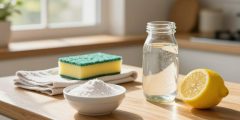
You don’t need special equipment for most microwave cleaning jobs. Household items can be very effective. Here are some top picks:
White Vinegar and Water
White vinegar and water mix is a strong cleaner. The vinegar’s acid breaks down tough stains and grime, making cleaning easier.
Fresh Lemons or Lemon Juice
Lemons are great for cleaning and leave a nice smell. Use fresh lemons or lemon juice mixed with water for a steam cleaning solution.
Baking Soda
Baking soda is a gentle scrubber. It can remove stubborn stains without harming your microwave’s interior.
Dish Soap and Microfiber Cloths
Mild dish soap and microfiber cloths are perfect for wiping down surfaces. They remove any leftover grime after the initial clean.
| Cleaning Agent | Purpose | Benefits |
|---|---|---|
| White Vinegar and Water | Creates a steam cleaning solution | Effective against tough stains, natural, and non-toxic |
| Fresh Lemons or Lemon Juice | Sanitizes and freshens | Leaves a pleasant scent, natural sanitizer |
| Baking Soda | Removes stubborn stains | Mild abrasive, non-damaging |
| Dish Soap and Microfiber Cloths | Wipes down surfaces | Gentle, effective, and easy to use |
Optional Tools for Extra Cleaning Power
While not essential, some tools can make cleaning easier. You might want a microwave-safe bowl for heating solutions, a turntable brush for detailed cleaning, and a scrubber sponge for tough grime.
What Cleaning Products to Avoid
Not all cleaning products are safe for microwaves. Some can harm the interior or leave harmful residues.
Harsh Chemicals That Can Damage Your Microwave
Stay away from bleach and other harsh chemicals. They can damage your microwave’s interior and leave toxic residues.
Abrasive Scrubbers to Stay Away From
Also, avoid abrasive scrubbers or scouring pads. They can scratch your microwave’s surfaces.

The Steam Cleaning Method: How to Clean Microwave in 5 Minutes
Get a sparkling clean microwave in no time with the 5-minute steam cleaning method. This efficient technique is a speedy microwave cleaning technique that loosens food residue, making it easy to wipe down the interior.
Step 1: Prepare Your Microwave-Safe Bowl with Water
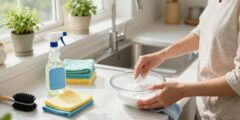
To start, you’ll need a microwave-safe bowl. It’s crucial to choose the right container to avoid any accidents or damage.
Choosing the Right Container Size
Select a bowl that is large enough to hold water but not so large that it doesn’t fit in your microwave. A medium-sized bowl is usually ideal.
Optimal Water Amount for Best Results
Fill the bowl with about 1 cup of water. This amount is sufficient to create steam without causing a mess.

Step 2: Heat the Water to Create Steam
Next, you’ll need to heat the water to produce steam. This step is crucial for loosening the food particles inside the microwave.
Recommended Microwave Settings and Timing
Heat the water on high for 3-4 minutes. The exact timing may vary depending on your microwave’s power.
Safety Precautions When Handling Hot Water
Be cautious when removing the bowl from the microwave as it will be hot. Use oven mitts or a towel to protect your hands.
Step 3: Let the Steam Work Its Magic
After heating the water, let the steam work on the dried food particles. This step makes the cleaning process much easier.
How Long to Wait for Maximum Effectiveness
Let it stand for 2-3 minutes after heating. This allows the steam to penetrate and loosen the tough food residue.
What Happens to Dried Food Particles
The steam will soften the dried food particles, making them easy to remove. This eliminates the need for harsh scrubbing.
Step 4: Wipe Down All Interior Surfaces
Now, it’s time to wipe down the interior surfaces. Use a damp cloth or sponge to remove the food residue.
Proper Wiping Technique for Best Results
Wipe in a circular motion, starting from the top and working your way down. This ensures that you cover all areas.
Don’t Forget the Ceiling and Door Seal
- Pay special attention to the ceiling and door seal, as these areas tend to accumulate food splatters.
- Use a gentle touch to avoid scratching the surfaces.
Step 5: Clean the Turntable and Exterior
Finally, clean the turntable and exterior of the microwave. Remove the turntable and wash it with soap and water.
For the exterior, use a damp cloth to wipe down the surfaces. This will remove any splatters or stains.
By following these simple steps, you can achieve a clean microwave fast using the steam cleaning method. This 5-minute microwave cleaning method is an efficient microwave cleaning trick that makes maintenance easy.
The Vinegar Power Clean: Fast Microwave Cleaning Solution
Vinegar is a quick and natural way to clean your microwave. It’s perfect for a fast cleanup without using harsh chemicals.
Why White Vinegar Is a Microwave Cleaning Champion
White vinegar is great for cleaning because it does more than just clean. It also sanitizes and removes bad smells from your microwave.
Natural Degreasing Properties
Vinegar’s acidity breaks down tough grease and food. Its natural degreasing properties make sure your microwave is clean and free from harmful chemicals.
Antibacterial Benefits
Vinegar kills bacteria, making your microwave not just clean but also sanitized. This is key in a kitchen where bacteria can spread easily.
Deodorizing Power
Vinegar gets rid of bad smells. Cleaning your microwave with vinegar means no more lingering smells and a fresh kitchen.
Creating the Perfect Vinegar and Water Mixture
The right vinegar and water mix is key for effective microwave cleaning. The ratio is important to avoid harsh chemical residues.
Ideal Ratio for Effective Cleaning
Using equal parts water and white vinegar is usually best. This mix is strong but safe for your microwave.
Adding Dish Soap for Extra Grease-Cutting Power
For tough grease, add a bit of dish soap to your mix. But use just a little to avoid leaving residue.
| Mixture Component | Quantity | Benefit |
|---|---|---|
| Water | 1 cup | Creates steam for loosening grime |
| White Vinegar | 1 cup | Natural degreaser and antibacterial agent |
| Dish Soap (optional) | A few drops | Extra grease-cutting power |
Step-by-Step Vinegar Cleaning Process
Follow these steps for a sparkling microwave.
Heating Time and Temperature
Heat the vinegar mix in the microwave for 3-5 minutes. It should boil and steam to loosen grime and food.
Wiping Technique for Streak-Free Results
After heating, remove the bowl and wipe the microwave with a soft cloth or sponge. For tough spots, a gentle scrub might be needed.

Eliminating the Vinegar Smell After Cleaning
Don’t worry about the vinegar smell after cleaning. Just wipe down the microwave with a damp cloth and leave the door open for a few minutes to air out.
“The simplicity and effectiveness of using vinegar for microwave cleaning make it a go-to method for many homeowners. It’s a testament to the power of natural cleaning agents in maintaining a clean and healthy kitchen environment.
The Lemon Fresh Method: Natural and Effective Microwave Cleaning Hack
Discover the secret to a sparkling microwave with the Lemon Fresh Method. This natural and effective cleaning hack leaves your microwave clean, fresh, and sanitized. The natural properties of lemons make it possible.

Why Lemon Is Perfect for Microwave Sanitization
Lemons are a powerhouse for cleaning. Their natural citric acid, pleasant scent, and antimicrobial properties make them perfect for sanitizing your microwave.
Natural Citric Acid Breaks Down Grease
The citric acid in lemons is great at breaking down tough grease and grime. Dr. Helen Thompson, a cleaning expert, says, “Citric acid is a natural and non-toxic way to dissolve mineral deposits and grease, making it perfect for microwave cleaning.
Pleasant Fresh Scent
Lemons leave a pleasant and refreshing scent. This means your microwave not only becomes clean but also smells fresh.
Antimicrobial Properties
Lemons have antimicrobial properties that help in sanitizing the microwave. A study in the Journal of Environmental Health shows, “Citrus fruits like lemons have been shown to exhibit significant antimicrobial activity.”
“The use of lemons for cleaning is not just eco-friendly but also effective in removing bacteria and other microbes.”
Using Fresh Lemons for Maximum Cleaning Power
To get the most out of the Lemon Fresh Method, using fresh lemons is crucial. Here’s how to prepare them for maximum cleaning power.
How to Cut and Prepare Your Lemons
Cut the lemons into halves or quarters, depending on their size. Squeeze some juice into a microwave-safe bowl. Add a small amount of water to the bowl.
Water-to-Lemon Ratio for Best Results
A good rule of thumb is to use about 1/4 cup of water with the juice of one lemon half. Adjust the ratio based on the size of your microwave and the level of grime.
The Lemon Juice Alternative Method
If you don’t have fresh lemons, you can use bottled lemon juice as an alternative. Mix it with water in a microwave-safe bowl and heat it until it steams.
Combining Lemon with Vinegar for Tough Jobs
For tougher grime, consider combining lemon juice with vinegar. The acidity of both ingredients together can tackle even the most stubborn stains.
Reusing Lemon Halves for Multiple Cleanings
To make the most of your lemons, you can reuse the lemon halves for multiple cleaning sessions. Simply store them in the refrigerator between uses.
By following the Lemon Fresh Method, you can keep your microwave clean, fresh, and sanitized without harsh chemicals. It’s an efficient microwave cleaning method that’s also timesaving. Try it out for a cleaner, healthier kitchen.
Baking Soda Techniques: Best Way to Clean Microwave Fast
Baking soda is a great choice for cleaning your microwave fast, without harsh chemicals. Mix 2 tablespoons of baking soda with 1 tablespoon of water to make a paste. Spread this paste on the microwave’s interior surfaces and let it sit for 5 minutes.
The baking soda will break down tough food residue, making it simple to clean the surfaces. Use a damp cloth to wipe away the food and baking soda. For stubborn stains, let the paste sit longer or repeat the process.
Using baking soda in your microwave cleaning routine saves time. It’s a simple and effective way to keep your microwave clean. Follow these steps to have a sparkling microwave in no time, adding to your kitchen’s maintenance routine.