A clean sink is more than just a matter of looks; it’s key to a clean kitchen. Did you know a dirty sink can spread bacteria and germs all over your kitchen?

Maintaining a spotless sink is easy with simple habits and the right cleaning methods. By using easy sink cleaning tips and best practices for sink maintenance, you can keep your sink clean and stop grime and bacteria from building up.
This article will give you practical tips on keeping your sink clean. You’ll learn about daily cleaning routines and deeper cleaning methods.
Key Takeaways
- Simple daily habits can keep your sink clean and hygienic.
- Regular deep cleaning is necessary to prevent grime buildup.
- Using the right cleaning products can make a big difference.
- Maintaining a spotless sink is crucial for kitchen hygiene.
- Easy sink cleaning tips can be implemented into your daily routine.
Why Sink Cleanliness Has Become a Top Home Hygiene Priority
Health concerns have made sink hygiene a top priority. The kitchen sink is a key area for food preparation. It’s also a place where bacteria and germs can thrive. Keeping it clean is essential for home hygiene.

Recent Studies on Kitchen Sink Bacteria Levels
Recent studies show kitchen sinks can have high levels of bacteria. They found E. coli and Salmonella due to food and poor cleaning. Using sink cleanliness hacks can help lower these bacteria.
How the Pandemic Changed Our Approach to Sink Hygiene
The COVID-19 pandemic changed how we view hygiene, including kitchen sink hygiene. We now know more about germ spread. Homeowners are cleaning their sinks more often and using disinfectants.
This change shows the need for sink care advice and best practices for sink cleanliness. It helps keep our homes clean and safe.
Essential Cleaning Supplies Trending in 2023
In 2023, keeping your sink clean is easier than ever. New cleaning supplies are available, focusing on eco-friendly options, advanced tech, and easy-to-use designs.
Natural Cleaning Solutions Gaining Popularity
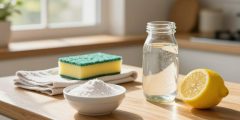
More people are choosing natural cleaning solutions that are good for the planet and effective. Ingredients like baking soda, vinegar, and essential oils are popular. These cleaners are safe for homes with pets and kids because they’re non-toxic and biodegradable.

New Commercial Cleaning Products Worth Investing In
The market is full of new commercial cleaning products worth trying. You’ll find oxygen bleach and anti-bacterial sprays that clean better. These products are designed to handle tough stains and grime, making sink cleaning easier.
Innovative Tools That Make Sink Cleaning Easier
New tools are also making sink cleaning easier. Look for microfiber cloths, scrubbers with ergonomic handles, and adjustable sink brushes. These tools help get into tight spots and remove tough stains, making cleaning simpler.
Using these trending cleaning supplies can make keeping your sink clean simple. Whether you like natural or advanced products, 2023 has something for you.
Quick Tips to Keep Your Sink Spotless Every Day
Keeping your sink clean every day is easy with simple routines. Just a few habits can keep your sink clean and hygienic. This makes your kitchen look better.

Morning Routine Habits for Busy Professionals
Busy professionals can start their day with a quick sink clean. Rinsing the sink with warm water and wiping it with a microfiber cloth works well. This easy sink cleaning tip only takes a minute and keeps your sink looking good.
After-Meal Cleaning Practices That Take Under 60 Seconds
Cleaning your sink after meals stops grime from building up. A quick sink cleaning trick is to use a gentle cleanser and soft sponge right after washing dishes. This keeps your sink clean and makes deeper cleans easier.
Before-Bed Sink Maintenance for Overnight Freshness
Before bed, quickly rinse your sink to remove debris. This sink cleaning tip keeps your sink fresh overnight. It stops bacteria and odors from building up.
Adding these daily sink cleaning routine habits to your life makes keeping your sink clean easy. These quick tips fit into your busy schedule. They keep your sink clean and welcoming in your kitchen.
Material-Specific Cleaning Approaches for Modern Sinks
To keep your sink looking great, it’s important to know how to clean it right. Modern sinks come in many materials, each needing its own cleaning method. Whether your sink is made of stainless steel, porcelain, granite, or copper, using the right cleaning approach is key.
Stainless Steel Sink Care
Stainless steel sinks are loved for their strength and modern look. Keeping them clean is a must.
Preventing Water Spots and Fingerprints
Use a microfiber cloth to dry your stainless steel sink after each use to prevent water spots. For fingerprints, a mix of water and white vinegar on a soft cloth works well.
Restoring Shine to Dull Surfaces
If your stainless steel sink has lost its shine, use a gentle cleanser and a soft scrubber to clean it. Finish with a dry microfiber cloth to bring back its shine.

Porcelain and Ceramic Sink Maintenance
Porcelain and ceramic sinks are known for their classic look and durability. But, they need special care to stay looking good.
Scratch and Chip Prevention
Stay away from harsh cleaners or scrubbers that can scratch or chip the surface. Use soft cloths and gentle cleansers instead.
Safe Abrasives for White Sinks
For tough stains on white porcelain or ceramic sinks, a baking soda paste is safe and effective. Apply the paste, let it sit, and then scrub gently before rinsing.
Granite and Composite Sink Cleaning
Granite and composite sinks are strong and heat-resistant. But, they need careful cleaning to stay in good shape.
Use a mild soap and water solution to clean them. Avoid harsh chemicals or abrasive scrubbers that can harm the surface.
Copper and Specialty Sink Preservation
Copper and other specialty sinks, like brass or bronze, need special care to keep their beauty and patina.
For copper sinks, a mix of lemon juice and salt can help keep them shiny. For other specialty sinks, check the manufacturer’s guidelines for the best cleaning products and methods.
Breaking News: Effective Solutions for Stubborn Sink Stains
Sink stains can be really frustrating. But now, there are effective ways to get rid of hard water, rust, and food stains. With the right cleaning methods and products, you can make your sink shine like new again.

Hard Water Stain Removal Breakthroughs
Hard water stains are common in many homes. New cleaning technologies have brought solutions to remove these tough stains. Products with citric acid or vinegar work well to dissolve mineral deposits.
Rust Treatment Techniques That Actually Work
Rust stains can be hard to get rid of. But, there are effective methods to tackle them. Using a rust-removing product or a mix of lemon juice and baking soda can help. It’s important to act fast, as stains get harder to remove over time.
Food and Beverage Stain Solutions for Different Surfaces
Each sink material needs a specific cleaning method. For stainless steel sinks, a gentle cleanser and soft cloth work well. Porcelain and ceramic sinks might need a non-abrasive scrubber for tough stains. Granite and composite sinks can usually be cleaned with mild soap and water.
| Sink Material | Recommended Cleaning Method | Stain Type |
|---|---|---|
| Stainless Steel | Gentle cleanser and soft cloth | Food and beverage stains |
| Porcelain/Ceramic | Non-abrasive scrubber | Stubborn food stains |
| Granite/Composite | Mild soap and water solution | General stains |
Drain Maintenance: Preventing Costly Plumbing Issues
Drain maintenance is often overlooked, but it’s essential for preventing costly plumbing issues. A well-maintained drain ensures that your kitchen sink functions properly. This reduces the risk of clogs and backups.
Preventative Measures Plumbers Recommend
Plumbers often recommend regular drain cleaning to prevent the buildup of debris and grease. Simple practices like running hot water through the drain after each use help. Also, using a drain screen to catch food particles is recommended.
- Run hot water through the drain after each use
- Use a drain screen to catch food particles
- Avoid pouring grease down the drain
Natural Drain Cleaning Methods That Won’t Damage Pipes
For those looking for eco-friendly alternatives, natural drain cleaning methods can be effective. Using baking soda and vinegar is a popular approach. It helps break down blockages without damaging pipes.
| Method | Description | Effectiveness |
|---|---|---|
| Baking Soda & Vinegar | Pour baking soda followed by vinegar down the drain, then rinse with hot water. | High |
| Boiling Water | Pour boiling water down the drain to dissolve grease. | Medium |
| Enzyme-Based Cleaners | Use cleaners containing enzymes that break down organic matter. | High |
When Professional Intervention Becomes Necessary
Despite regular maintenance, some drain issues may require professional attention. If you experience persistent clogs or slow draining, it’s time to call a plumber. They can diagnose the problem and provide a solution to prevent further damage.

Disinfecting Practices in the Post-Pandemic Kitchen
The pandemic has changed how we keep our kitchens clean. Now, disinfecting is more important than ever. It’s key to keep our kitchens safe and healthy for cooking.
CDC-Recommended Daily Disinfection Protocols
The Centers for Disease Control and Prevention (CDC) say to clean high-touch areas daily. This includes sink handles and faucet controls. Use a CDC-approved disinfectant to lower infection risks. Always follow the product’s instructions for safe use.
Weekly Deep Disinfection Methods for Family Safety
Weekly deep cleaning is also crucial. It helps get rid of tough germs and bacteria. Clean the sink, countertops, and stove area well with a good disinfectant. Focus on areas around the sink because they get wet and can grow bacteria.
Food-Safe Disinfectants for Meal Preparation Areas
When cooking, use food-safe disinfectants. Look for products labeled as “food-safe” or “non-toxic.” These are best for surfaces that touch food. Always rinse surfaces with clean water after disinfecting to keep food safe and tasting good.

By following these cleaning steps daily and weekly, your kitchen will be cleaner and safer. The main thing is to be consistent and use the right cleaning products.
The Often Overlooked Components of Sink Cleanliness
There are many parts of the sink that people often forget to clean. Keeping these areas clean is important for sink hygiene.
Faucet and Handle Sanitization Techniques
Faucets and handles are places where bacteria can easily grow. Regular sanitization is essential to stop germs from spreading. Use soap and warm water to clean them well.
Removing Mineral Buildup Around Fixtures
Mineral buildup around faucets can be hard to get rid of. A vinegar-based solution can help. Just apply it, wait a bit, and then scrub.
Polishing Methods for Different Finishes
Each faucet finish needs its own cleaning method. Stainless steel faucets can be cleaned with a microfiber cloth and mild cleanser. Brass faucets might need a special brass polish.

Proper Maintenance of Sink Strainers and Stoppers
Sink strainers and stoppers can collect debris and bacteria. Clean them with soap and hot water often. Also, check and replace any worn-out parts.
Cleaning and Replacing Sink Accessories
Sink accessories like soap dispensers and sponges can also harbor bacteria. Clean them with disinfectant and replace them when needed.
“Regular maintenance of sink accessories is a simple yet effective way to enhance overall sink hygiene.”
By paying attention to these often-forgotten parts and using the right cleaning methods, homeowners can keep their sink clean and hygienic.
Sustainable Sink Cleaning: The Growing Eco-Friendly Movement
More people are choosing eco-friendly sink cleaning methods. This move is not just for the planet. It’s also about making our homes healthier.
Biodegradable Cleaning Products Making Headlines
Biodegradable cleaning products are getting more attention. They have a low impact on the environment. Brands like Seventh Generation and Ecover offer effective, eco-friendly options.
Water Conservation Techniques During Cleaning Routines
It’s important to save water while cleaning. Simple steps like turning off the tap while soaping up help a lot. Using a basin for rinsing dishes also cuts down on water use.
| Water Conservation Technique | Water Saved |
|---|---|
| Turning off tap while soaping | 5 gallons/minute |
| Using a basin to rinse dishes | 3 gallons/minute |
Zero-Waste Approaches to Sink Maintenance
Using zero-waste methods for sink care means opting for reusable cloths and homemade cleaners. It’s good for the planet and your wallet.
By adding these green practices to your daily routine, you help the environment. Plus, your sink will stay clean and shiny.
Expert Insights: Professional Cleaners Share Their Secrets
Industry experts share their best tips for a clean and hygienic sink. They have years of experience and know how to make cleaning easier and faster.
Time-Saving Cleaning Hacks from Industry Veterans
Professional cleaners love simple yet effective hacks. They mix baking soda and vinegar to get rid of tough stains. They also say to clean the sink right after use to stop grime from building up.
The Optimal Cleaning Schedule According to Experts
Experts say a regular cleaning schedule is crucial for a clean sink. They suggest a daily wipe-down with a mild cleanser. Then, do a deeper clean once a week to tackle tough stains.
Common Sink Cleaning Mistakes and How to Avoid Them
Many homeowners make the mistake of using harsh cleaners that can harm the sink. Experts recommend using non-abrasive cleaners and soft cloths to avoid damage.
By following these expert tips and avoiding common mistakes, you can easily keep your sink clean and hygienic.
Conclusion: Maintaining Your Spotless Sink for a Healthier Home
Keeping your sink clean is key for a healthier home. A clean sink looks good and is vital for kitchen hygiene. By adding simple cleaning habits to your day, you can stop bacteria and germs from growing.
Use the right cleaning tools and methods for your sink’s type. Also, clean and care for your sink’s drain to avoid plumbing problems. These steps will keep your home healthy and your sink spotless.
Regular sink cleaning makes your kitchen cleaner and safer. It also lowers the chance of germs spreading. So, focus on keeping your sink clean for a healthier home for everyone.